
JPMorgan Resumes Coverage of General Electric with Neutral Rating
March 7, 2023

Trending News 🌥️
JPMorgan has recently resumed its coverage of General Electric ($NYSE:GE) with a Neutral rating. This rating follows years of uncertainty around the company’s future, and its stock has had a sharp decline in the past several years. General Electric is an industrial conglomerate with broad operations in power and renewable energy, aviation, healthcare, and capital. It also has a valuable real estate portfolio and its own financial services division. It remains one of the most important companies in the US economy and is an important bellwether for where the economy is headed. JPMorgan’s analysts cite GE’s diverse business model and its high dividend yield as positives. They also point to the company’s ability to make strategic decisions with its financial resources, such as its recent sale of a majority stake in its locomotive business.
However, they remain cautious on the stock given the company’s lingering debt issues and other headwinds. For more information on JPMorgan’s coverage of General Electric, please click on the following link: https://seekingalpha.com/news/3944397-general-electric-coverage-resumed-with-neutral-rating-at-jpmorgan?utm_source=vi.app&utm_medium=referral $bubbleId:42692
Stock Price
The stock opened at $86.6 and closed at $87.1, up by 0.8% from its previous closing price of 86.4. This marks the second consecutive day of an increase in GE stock prices, which has shown some signs of a turnaround in the company’s stock performance. Investors are now hoping that this could be the beginning of a more sustained recovery of the company’s stock prices. Live Quote…
About the Company
Income Snapshot
Below shows the total revenue, net income and net margin for General Electric. More…
| Total Revenues | Net Income | Net Margin |
| 76.56k | -64 | 2.3% |
Cash Flow Snapshot
Below shows the cash from operations, investing and financing for General Electric. More…
| Operations | Investing | Financing |
| 5.92k | 2.27k | -5.58k |
Balance Sheet Snapshot
Below shows the total assets, liabilities and book value per share for General Electric. More…
| Total Assets | Total Liabilities | Book Value Per Share |
| 187.79k | 150.21k | 28.81 |
Key Ratios Snapshot
Some of the financial key ratios for General Electric are shown below. More…
| 3Y Rev Growth | 3Y Operating Profit Growth | Operating Margin |
| -7.0% | -30.3% | 3.9% |
| FCF Margin | ROE | ROA |
| 5.8% | 5.6% | 1.0% |
Analysis
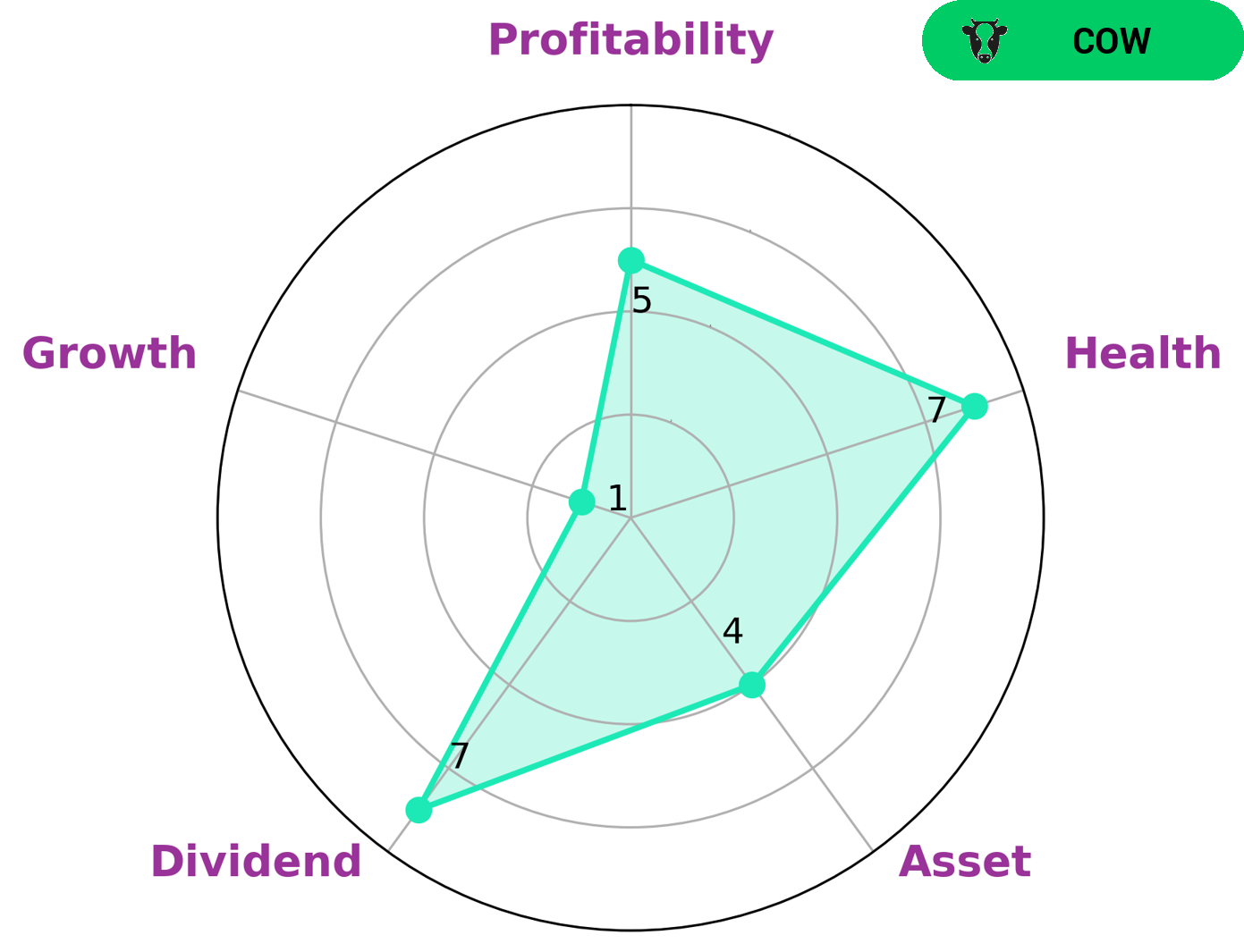
We at GoodWhale have performed an analysis on the fundamentals of GENERAL ELECTRIC. After looking at their Star Chart, we have found that they have a high health score of 7/10 with regard to their cashflows and debt, indicating their capability to pay off debt and sustain future operations. Being classified as a ‘cow’ company, they have the track record of paying out consistent and sustainable dividends. These characteristics make GENERAL ELECTRIC an attractive investment for dividend investors, as well as investors who prefer a lower level of risk. They are also strong in assets, profitability, and dividends, while weak in growth. As such, they make a good option for those who are looking for a balanced portfolio with low risk and steady returns. More…
Peers
In the competitive world of today’s businesses, it is not uncommon for companies to find themselves in head-to-head battles with their competitors. This is certainly the case for General Electric Co, which finds itself up against such companies as Siemens AG, MotorVac Technologies Inc, and Hangzhou Zhongtai Cryogenic Technology Corp. While each of these companies has its own strengths and weaknesses, it is clear that GE has its work cut out for it if it wants to stay ahead of the competition.
– Siemens AG ($OTCPK:SIEGY)
Siemens AG is a German conglomerate company headquartered in Munich and the largest industrial manufacturing company in Europe with branch offices abroad. The principal divisions of the company are Industry, Energy, Healthcare (Siemens Healthineers), and Infrastructure & Cities, which represent the main activities of the company. Siemens AG is organized into four main business sectors: Industry, Energy, Healthcare, and Infrastructure & Cities.
– MotorVac Technologies Inc ($OTCPK:MVAC)
MotorVac Technologies Inc is a publicly traded company with a market capitalization of $4.62 million as of 2022. The company is engaged in the development, manufacturing and marketing of vehicle service equipment for the automotive aftermarket industry. Its products are used in the maintenance and repair of vehicles.
– Hangzhou Zhongtai Cryogenic Technology Corp ($SZSE:300435)
Hangzhou Zhongtai Cryogenic Technology Corp is a publicly traded company with a market cap of 5.42 billion as of 2022. The company has a return on equity of 8.72%. The company is involved in the manufacturing of cryogenic equipment and products. The company’s products are used in a variety of industries, including the medical, scientific, and industrial fields.
Summary
Investing in General Electric (GE) may be a challenge for some buyers. JPMorgan recently resumed coverage of the company with a neutral rating, indicating that the upside potential of the stock may be limited. GE’s fundamentals remain weak, with sales and profits continuing to decline year on year. The company faces significant headwinds in its key divisions, including a weak aviation market and weak demand in its industrial sector.
Additionally, GE is highly leveraged, with high debt levels limiting the company’s ability to invest in long-term growth initiatives. While GE has announced cost-cutting measures and restructuring plans to help boost profits, these measures may not be enough to turn the company around in the near term. Overall, investors should proceed with caution when evaluating GE as a potential investment.
Related Posts





Recent Posts












Investing Everyone Can Do.
Investing shouldn’t be exclusive to a select few. We believe everyone should have the opportunity to grow their wealth. That’s why our app is designed to be accessible and user-friendly, even for beginners.