
Questioning LGI Homes’ Debt: Is it Too Much?
December 11, 2023

🌧️Trending News
LGI ($NASDAQ:LGIH) Homes is a publicly traded homebuilding company headquartered in The Woodlands, Texas.
However, investors have recently been questioning the company’s debt levels, asking if they are too excessive. As such, investors are concerned that LGI Homes may be taking on too much debt which could potentially lead to financial distress in the future. In order to alleviate investor concerns, LGI Homes has been actively managing its debt load. This shows that LGI Homes is taking steps to ensure that its debt levels stay within manageable levels. Despite these efforts to manage its debt, LGI Homes’ total debt levels are still higher than most of its peers. This is causing some investors to question whether the company is taking on too much debt, which could put it at risk of financial distress in the future. While LGI Homes has taken steps to manage its debt levels, it remains to be seen whether these measures will be enough to ensure the company’s financial stability.
Market Price
On Tuesday, LGI HOMES stock opened at $119.8 and closed at $119.5, a drop of 1.4% from the prior closing price of 121.1. This had investors concerned about the company’s debt levels and questioned if it was too much for the company to take on. With such a high debt-to-equity ratio, investors are left wondering if LGI HOMES is overextending itself financially. Furthermore, LGI HOMES has seen its credit ratings drop in recent months, with both Fitch and S&P Global Ratings downgrading their outlooks.
This further raises questions about the company’s ability to manage its debt and could be seen as a red flag for investors. Overall, investors are questioning LGI HOMES’ debt levels and whether or not it is too much for the company to take on. With its credit ratings dropping and its debt-to-equity ratio rising, it is clear that the company needs to be more mindful of its financial situation going forward or risk alienating investors. Live Quote…
About the Company
Income Snapshot
Below shows the total revenue, net income and net margin for Lgi Homes. More…
| Total Revenues | Net Income | Net Margin |
| 2.24k | 181.25 | 8.1% |
Cash Flow Snapshot
Below shows the cash from operations, investing and financing for Lgi Homes. More…
| Operations | Investing | Financing |
| -33.57 | -11.46 | 39.35 |
Balance Sheet Snapshot
Below shows the total assets, liabilities and book value per share for Lgi Homes. More…
| Total Assets | Total Liabilities | Book Value Per Share |
| 3.34k | 1.53k | 76.5 |
Key Ratios Snapshot
Some of the financial key ratios for Lgi Homes are shown below. More…
| 3Y Rev Growth | 3Y Operating Profit Growth | Operating Margin |
| 2.5% | -8.9% | 10.8% |
| FCF Margin | ROE | ROA |
| -1.5% | 8.6% | 4.5% |
Analysis
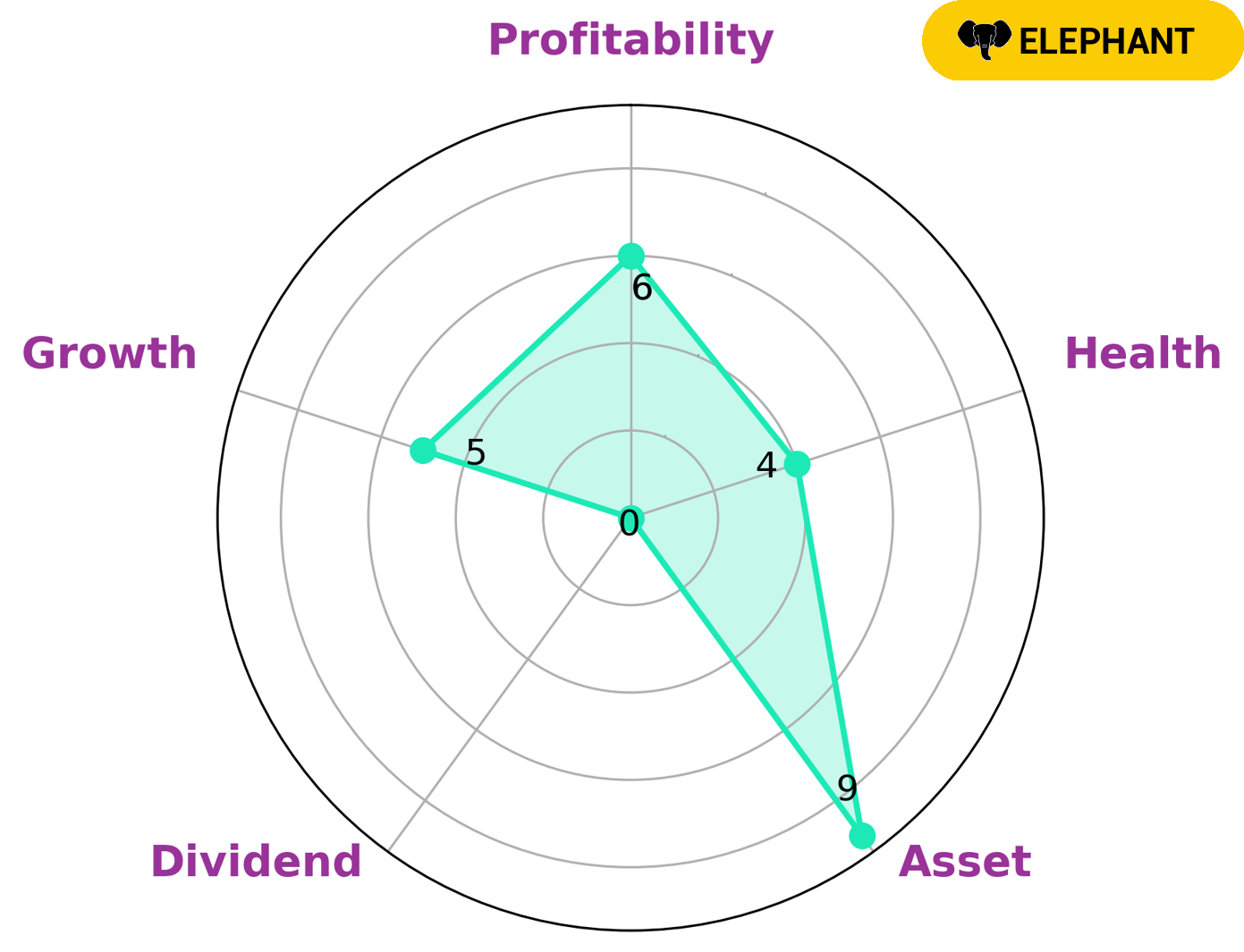
GoodWhale provides comprehensive fundamental analysis of LGI HOMES, a real estate development company. Using our Star Chart, we can see that LGI HOMES is strong in asset, while the company’s performance in terms of growth, profitability and dividend is only considered medium. Additionally, our Health Score for LGI HOMES is 4/10, indicating that the company may be able to sustain future operations in times of crisis. Our classification of LGI HOMES as an ‘elephant’ – a company rich in assets after deducting off liabilities – will likely attract value investors who are looking for low-risk investments with long-term returns. More…
Peers
Its main competitors are Tri Pointe Homes Inc, Taylor Wimpey PLC, and Skyline Champion Corp. All three companies are large homebuilders that operate in the United States.
– Tri Pointe Homes Inc ($NYSE:TPH)
Tri Pointe Homes Inc is a homebuilding company that focuses on the construction and sale of single-family homes in the United States. As of 2022, the company had a market capitalization of 1.64 billion dollars and a return on equity of 16.87%. The company builds homes in a variety of locations across the country, including California, Colorado, Arizona, and Washington. In addition to new home construction, the company also provides homebuyers with a variety of services, such as home financing, home insurance, and home warranty services.
– Taylor Wimpey PLC ($LSE:TW.)
Taylor Wimpey PLC is a leading homebuilder in the United Kingdom with a strong focus on creating sustainable communities. The company has a market cap of 3.3 billion as of 2022 and a return on equity of 10.94%. Taylor Wimpey PLC is committed to creating value for all of its stakeholders and is dedicated to building high-quality homes and communities that people can be proud of.
– Skyline Champion Corp ($NYSE:SKY)
Skyline Champion Corp is a leading manufacturer and seller of modular and manufactured homes in North America. With a market cap of 2.69B and a ROE of 34.19%, the company is well-positioned to continue its growth trajectory in the coming years. Skyline’s homes are known for their quality construction and attention to detail, and the company has a strong reputation in the industry. In addition to its manufacturing and sales operations, Skyline also provides financing and insurance services to its customers.
Summary
LGI Homes is a publicly traded homebuilder and real estate development company. When assessing the company’s use of debt, it is important to look at total debt as well as the ratio of debt to total assets and income. While this may present potential risks, the company’s strong cash flow and balance sheet indicate that it may be able to handle the debt load in the short-term. In general, investors should take into account both the amount of debt as well as the company’s ability to manage it before making an investment decision.
Related Posts





Recent Posts












Investing Everyone Can Do.
Investing shouldn’t be exclusive to a select few. We believe everyone should have the opportunity to grow their wealth. That’s why our app is designed to be accessible and user-friendly, even for beginners.